Are Electronic Shelf Labels Raising Retail Prices?
Digital pricing is fast becoming a new battleground in Britain’s shop shelves.
As supermarkets including Sainsbury’s and Co-op trial electronic shelf labels – known as ESLs – concerns are mounting over whether this technology helps customers or opens the door to what some call “surge pricing.”
With politicians, retailers and consumers now weighing in, the discussion is turning from technical innovation to ethical implication.
Digital labels meet political pressure
The issue has already reached Parliament, with Business and Trade Committee members expressing concern over whether ESLs could unfairly impact consumers.
Jonathan Reynolds, Secretary of State for Business and Trade, posted to social media: “Recently, in the Business and Trade Committee, I have been standing up for customers, asking our largest supermarkets to rule out punishing customers by introducing dynamic pricing.”
During the committee session, a specific example from France was raised. Reynolds, speaking during the hearing, said: “In France, some practices have begun to use their labels for price increases.
"So, the picture is that when it is hot, the price of barbecues is going into the boom and the customers are being punished because of the good weather. Could you see a world in the future where Tesco and Sainsbury's will use electronic labelling for pricing of demand in that way?”
The committee's response explained that some dynamic pricing was being used, but not for increases.
It added: “If you look in regard to choice and dynamic pricing, then yes, we take prices dynamically to decide if they will work, but we do not take prices dynamically to increase prices because of the types of situations you explained. We do so for reductions.”
What ESLs do - and don’t do
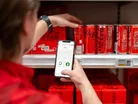
At their core, ESLs are digital price tags that attach to the edge of supermarket shelves. Using e-paper or liquid crystal display technology, they update wirelessly through radio frequency or infrared signals.

When prices change centrally – due to stock levels, expiry dates or planned promotions – the labels refresh in real time.
Ultimately, the goal is efficiency and accuracy: no more printing stickers and no risk of mismatched prices between till and shelf. However, the same system that allows for markdowns on nearly expired items could, in theory, also raise prices during peak hours or warm-weather surges.
Some UK retailers are pressing ahead. Sainsbury’s has confirmed a trial of ESLs in three stores, including its branch in Witney, Oxfordshire.
Co-op aims to install the labels in 1,500 shops by the end of the year, rolling out across its 2,400 branches by 2026, while Lidl aimed to deploy ESLs across all stores by the end of 2024.
Meanwhile, in the US, both Kroger and Walmart are facing scrutiny from lawmakers over the implications of this technology.
Kroger denies using facial recognition or dynamic pricing and says ESLs have so far helped to reduce prices and waste. Walmart has also confirmed it is installing ESLs in 2,300 shops by 2026 but echoes Kroger’s statement that dynamic pricing is not in use.
The technology’s defenders say ESLs are tools for smarter stock management. Labels can alert staff to low stock, highlight seasonal items for quick sale or provide loyalty-based discounts.
As Peter Ward from Pricer explains: “Dynamic pricing lends itself to one of the most popular promotional techniques – lower prices for loyalty members.”
Balancing tech and transparency
Critics worry about transparency. Traditional paper labels – with their red, orange or yellow stickers – are easy to spot.
Digital labels, by contrast, can change silently and often lack the clear cues customers rely on to identify deals.
Some warn of customer mistrust if changes are not clearly communicated. Surge pricing, where costs rise during demand spikes, is already familiar from online platforms and shoppers may be wary of seeing it in supermarkets.
The key, however, is that there’s a difference between surge pricing and dynamic pricing. The former raises prices temporarily in response to demand, the latter uses real-time data like expiry dates or excess stock to lower prices and reduce waste.
Professors Robert Sanders and Yannis Stamatopoulos, who study dynamic pricing in Europe, found ESLs led to “the average price per unit sold going down” and higher volumes sold. In short, ESLs helped both retailers and customers—when used to reduce rather than raise prices.
Dynamic pricing through ESLs could also enable new types of targeted promotions, like early morning or late evening discounts and more precise control over localised stock.
That agility comes with responsibility. Customers, lawmakers and advocacy groups will want clear commitments from supermarkets. Whether to reassure about facial recognition, dynamic pricing or just price visibility, transparency will be key.
For now, retailers face a choice between innovation and perception.
Done well, ESLs could help shoppers find better prices and waste less. Done poorly, they risk becoming another talking point in the cost of living debate.