Procurement's Vital Role at Électricité de France (EDF)
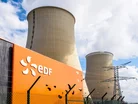
Électricité de France (EDF) operates one of the most complex industrial supply chains in global energy. Its operations span nuclear power generation, renewable energy, grid networks and a wide range of customer solutions.
That scope places procurement at the heart of cost control, delivery scheduling and risk management.
Procurement at EDF plays an active role beyond placing purchase orders. Over time, the function tightens internal standards, strengthens insight across supply categories and shifts its focus from transactional buying to supporting programme outcomes.
The aim is clear: secure the right materials, equipment and services at speed while increasing resilience, maintaining safety and improving environmental performance across major infrastructure projects in the UK, France and other core markets.
Procurement shapes project delivery
EDF is a vertically-integrated energy company headquartered in France and led by CEO Bernard Fontana. Its operations centre on nuclear generation and expand into wind, solar and storage technologies, supported by grid and retail services in several countries.
This industrial footprint generates a constant flow of infrastructure projects, specialised services and engineered components. All must comply with demanding technical standards and regulatory requirements.
This puts procurement right at the start of delivery planning. Teams work with engineers to agree technical specifications early. They coordinate with construction leads to protect critical milestones and engage with quality teams to ensure full traceability, from mill certification to installation records.
EDF gives special attention to long-lead items well before contracts are signed. Vendor qualification is not treated as a one-off checkpoint but instead as an ongoing process that continues through contract execution.
Success in this context is not measured only in cost savings. Procurement adds value by ensuring schedule certainty, reducing defects and enabling a clean handover to operations. These steady contributions help EDF keep large-scale projects moving while staying within regulatory and safety parameters.

Supplier expectations embedded in practice
EDF sets clear expectations for suppliers, covering both practical delivery and broader responsibilities.
Health and safety remains the top priority. All partners follow strict rules covering ethics, human rights and anti-corruption. Environmental requirements are not separate clauses or add-ons. Instead, they shape how procurement specifications are written and how supplier proposals are reviewed.
Carbon emissions are treated as a managed cost across the life of an asset. Procurement weighs options based not only on price but on long-term efficiency, maintenance demands and end-of-life outcomes.
In some cases, EDF structures contracts to reward suppliers for measurable reductions in energy use or waste output. This approach focuses on outcomes without prescribing specific methods.
EDF evaluates supplier risk in the same way, whether working with a global original equipment manufacturer (OEM) or a smaller specialist. Procurement monitors capacity, quality and financial indicators for early signs of stress and takes action before delays affect site work.
Payment discipline reinforces this approach. Smaller firms can access early payment options and financing tools to keep cash flow stable, without EDF relaxing financial controls.
Resilience from supplier relationships
EDF designs its supply base to achieve two goals: deliver large-scale infrastructure reliably while creating lasting benefits in local markets. Strategic packages combine international expertise with regional manufacturing and service delivery, speeding up delivery, supporting local economies and spreading practical knowledge across supply chains.
EDF also holds regular forums to share incidents and agree simple fixes. Small improvements – such as better lifting plans, cleaner logistics or digital quality records – reduce uncertainty and avoid waste.
Behind these activities is consistent investment in data. Procurement consolidates spend visibility, supplier performance metrics and contract data in a single view. This enables category leads to anticipate risk, adjust delivery schedules or switch suppliers before issues cause disruption.
EDF applies the same data approach to sustainability. Material passports, component repair histories and recycling routes are tracked to extend asset life and retain value in the system. These insights become essential as refurbishment gains importance alongside new construction.
Procurement at EDF supports delivery of complex and safety-critical infrastructure without losing sight of wider impacts. The company builds long-term supplier relationships and applies consistent standards across all major projects.
As electrification expands and demand on energy systems grows, EDF’s habits in procurement – based on planning, transparency and local delivery – become a core part of its operational resilience.