Delta & Shell Aviation Sign 5-Year SAF Supply Chain Deal

Delta Air Lines and Shell Aviation have entered a five-year agreement to expand sustainable aviation fuel distribution across multiple US airports through 2030. The collaboration targets the creation of infrastructure and logistics networks needed to scale sustainable aviation fuel (SAF) supply chains at commercial airports.
According to the companies, sustainable aviation fuel can cut emissions by 80% compared to traditional jet fuel.
The partnership between Shell Aviation and Delta will focus on building the operational capacity to transport, blend and distribute SAF across five major US hubs.

Multi-airport distribution network
The agreement covers SAF supply operations at Los Angeles International Airport, Portland International Airport, John F Kennedy International Airport, Logan International Airport and Minneapolis-St Paul International Airport.
Shell Aviation will manage the logistics of transporting both neat and blended SAF to these facilities.
The companies plan to establish infrastructure for long-term SAF supply at each location. This could mean constructing blending facilities, storage systems and delivery mechanisms at airport sites.
"This collaboration delivers on today's fuel needs and tomorrow's aviation solutions," says Reema Bari, Head of Aviation Americas at Shell. "By supplying conventional jet, SAF and longer-term innovation, the deal will help strengthen energy security and contribute to the transformation of aviation."
The partnership builds on prior work between the two organisations. Delta has increased its SAF procurement to more than 23 million gallons in 2025.
Fuel transportation and blending
Shell Aviation will handle the movement of SAF from production facilities to airport locations. The company is working to solidify logistics, blending and distribution capabilities for what it describes as dependable supply.
This is about activating real supply chains at scale and creating a model that others can build on as we work across the industry to expand lower-impact travel
The approach includes transporting neat SAF and managing blending operations at distribution points. This could show how fuel supply chains must adapt to accommodate alternative aviation fuels alongside conventional jet fuel.
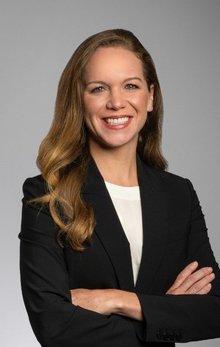
"Current instability and uncertainty have made one thing very clear to consumers and businesses alike, supply diversity matters," says Amelia DeLuca, Delta's Chief Sustainability Officer.
"With Shell, we're proving that scaling SAF isn't theoretical, it's achievable."
"This is about activating real supply chains at scale and creating a model that others can build on as we work across the industry to expand lower-impact travel," Amelia adds.
Production and procurement networks
Shell has invested in SAF production through partnerships with companies including EcoOils and LanzaJet. In addition to this, the company has secured long-term supply agreements with producers such as Montana Renewables and World Energy.
The Avelia platform, which uses blockchain technology, is part of Shell's infrastructure for managing SAF supply chains. The system could mean improved tracking of fuel sourcing and distribution across multiple supply chain participants.
Delta and Shell are evaluating next-generation SAF production pathways including alcohol-to-jet and power-to-liquid technologies. These production methods could require different logistics and distribution systems than current SAF variants.
The partnership combines Shell's fuel production and infrastructure operations with Delta's procurement and operational requirements. According to the companies, collaboration across the aviation value chain is necessary to commercialise SAF at scale.
Company portals


Executives
Amelia DeLuca
Chief Sustainability Officer

Reema Bari
Head of Aviation