Cuba Gone Dark: The National Impact of the Fuel Crisis
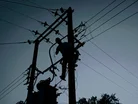
On Wednesday 4 March, millions of people were left without power in Cuba, adding to an ever-growing pattern of blackouts across the island.
Following a shutdown at one of the country's main power plants, the island lost all power amid a period of fuel shortages.
The country is facing critical supply chain issues, resulting in suspended services and limited operational capacity.

Supply chain shocks
On Wednesday, two-thirds of Cuba fell into darkness following a shutdown of the Antonio Guiteras power plant, one of the country's main sources of power. This was deemed an 'unexpected' event, resulting in a cross-country power outage.
UNE, Cuba's national electricity company, said the blackout spread across the central province Camaguey, to Pinar del Rio in the west of the island. It also affected Havana, covering more than 700km in total.
The Antonio Guiteras thermoelectric plant, which operates approximately 100km east of Havana, is said to have sparked the outage, following a breakdown of the plant. At 12:41pm, the plant tripped due to a leak in the boiler.
Cuba's National Electric System operates at a chronic generation deficit, which contributes to the fragility of the country's power supply chains. The failure of La Guiteras has significant impacts on the country, as Cuba witnesses frequent thermoelectric plant breakdowns and limited fuel supply.
In recent years, the country has experienced a significant number of power cuts as a result of this fragility, but this has been exacerbated in 2026 due to the US blockade on Venezuela's oil since January.
Threats from the US
Cuba is in a vulnerable position when it comes to fuel, due to its outdated and insubstantial infrastructure. As a result, this crisis has disrupted public transport and rubbish collection, causing major supply chain disruption. Power cuts across the island have lasted up to 18 hours a day, affecting hospital emergency wards, pumping stations and dialysis patients.
The country relies heavily on imported fuel in order to generate electricity, which has put the island in an even more vulnerable position. Since 1959, the country has faced economic and diplomatic attacks from the US, facing longer sanctions from the country than any other.
Though President Obama and President Biden both took steps to loosen these sanctions, current US President Donald Trump has imposed new sanctions, new tariffs and renewed threats against the island. Moreover, Trump has also targeted Venezuela, one of Cuban's most significant allies.
Venezuela had been providing Cuba with oil – approximately 35,000 barrels a day – prior to the US's capture of Venezuelan leader Nicolas Maduro on January 3 2026. Since then, the US has seized a number of oil shipments for Cuba, resulting in a supply shortage. As a result, the country is facing one of its worst economic and energy crises in decades.
Trump has threatened tariffs on goods imported into the US from any country which provides oil to Cuba, working towards securing a deal with the island which benefits the US.
“Cuba is gonna fall pretty soon. They want to make a deal so badly,” Trump said in a phone interview to CNN.
“I’ve been watching it for 50 years, and it’s fallen right into my lap because of me, it’s fallen, but it’s nevertheless fallen right into the lap. And we’re doing very well."
Wider concerns
As well as power outages, oil shortages and weakening infrastructure, Cuba is also undergoing a shortage of aviation fuel. As such, several airlines are suspending services to and around the area, limiting international tourism.
Decades of economic sanctions from the US has impacted the Cuban government's ability to invest into new infrastructure, such as more reliable power generation and electric grids. Some businesses were able to remain operational due to solar panels or power generators, but the power outage still had significant shocks to the country.
Following threats of sanctions, Mexico, an alternative oil supplier to Venezuela, has announced it will halt its supplies to Cuba. Though the citizens are becoming familiar with these supply chain shocks, the country looks as though it is running out of options.