CIPS & RS: Securing Supply Lines Against Trade Friction

Leaders are altering their supply chain strategies, pivoting to focus on resilience amid growing instability.
Much of that lies in the hands of procurement leaders, as they work to ensure sustainable and smart sourcing through increasingly volatile conditions.
The Chartered Institute of Procurement & Supply (CIPS) and RS have collaborated on 'Uncertainty Driving Efficiency', the 2026 Indirect Procurement Report, exploring current challenges procurement professionals face.
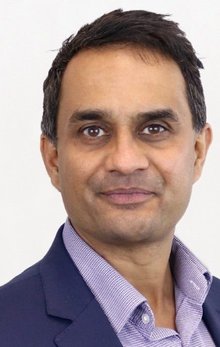
"It's more important than ever for these professionals to be engaged: these are very challenging times for the profession with political instability, shifting tariffs and fragile global supply chains," explains Raj Patel, Managing Director for the United Kingdom and Ireland (UK&I) at RS.
"This has all created an environment where certainty can no longer be assumed. These same pressures are showing up sharply in indirect procurement, where teams are being asked to deliver cost control, continuity and compliance in shifting conditions."
Supply chain risks reshape priorities
Businesses are being told they need to increase resilience, deliver lower costs and be more strategic. According to the report, main concerns include inflation and higher costs (68%), managing risk in the supply chain (50%), supply chain disruption (47%) and global political uncertainty (47%).
Tariff pressures and trade friction are driving change, with organisations mitigating the impact of higher costs alongside inflation. In response, 65% of respondents are reviewing their supply chain and location of suppliers, exploring diversification or localisation strategies. Meanwhile, 57% are renegotiating existing contracts.
This environment has elevated procurement from a purely operational function to a strategic imperative. Leaders are now expected to anticipate disruptions, model scenarios and build contingency plans that protect business continuity whilst maintaining cost discipline.

Balancing sustainability with efficiency
As demand for sustainable operations grows alongside pressure for cost savings, procurement leaders are strategically altering purchasing behaviour. Teams are less willing to pay premium costs, with the report showing that 53% of Maintenance, Repair and Operations (MRO) professionals say they would pay more for sustainable products, down from 62% the year prior.
According to the report, 47% of respondents said procurement teams are making more sustainable choices in the last year. This includes prioritising waste recycling (74%), reduced energy usage (60%), renewable energy (60%), energy management (59%) and reduced waste to landfill (57%).
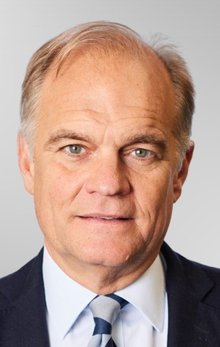
"Climate change is, of course, the most significant risk. While 'greenhushing' has become more prevalent over the past year – with companies opting not to promote their Environmental, Social and Governance (ESG) initiatives - procurement and supply chain professionals are still actively pursuing sustainable solutions," explains Ben Farrell, Chief Executive Officer at CIPS.
"Amid these competing forces, effective procurement and supply chain professionals strike smart balances. They have the skills to find cost reductions while also reducing carbon emissions.
"They know how to consolidate their supplier base while also mitigating risks. Ultimately, the job of the procurement and supply chain professional is to ensure security of supply; the best are able to achieve this by remaining flexible to short-term opportunities."
All supply chain, sustainability, Scope 3 and net zero leaders should attend:
- Procurement and Supply Chain LIVE: The Net Zero Summit - QEII Centre, London, March 4-5
- Procurement and Supply Chain LIVE: The US Summit - Navy Pier, Chicago, April 21-22
Co-located with Sustainability LIVE, these events brings together CSCOs, CSOs and senior decision-makers at a moment when sustainability, supply chains and commercial performance are increasingly interconnected.
Tickets can be booked online today for The Net Zero Summit and The US Summit. Group discounts available.
Supplier consolidation drives control
Organisations are reducing their supplier base to gain more control over safety standards, contractual obligations and ESG requirements. This shift within the MRO sector means organisations are using fewer suppliers, spending less and processing orders at lower internal cost.

The report indicates this consolidation strategy allows procurement teams to build deeper relationships with key suppliers. Stronger partnerships enable better collaboration on innovation, risk management and sustainability initiatives.
Procurement's influence is rising, becoming a more central part of business resilience. As businesses navigate complex landscapes, procurement leaders make strategic and cost-effective choices to help mitigate supply chain risk.


Executives
Ben Farrell
Global Chief Executive Officer
Raj Patel
Managing Director