Ball: Reshaping Beverage Supply Chains With Aluminium

Ball Corp's expansion of its sustainable aluminium manufacturing operations could have significant implications for global beverage supply chains, according to its 2025 annual report.
The company, a leading manufacturer of aluminium packaging solutions for beverage, personal care and household products, shipped 111.9bn units of aluminium packaging worldwide in 2025 and recorded US$13.16bn in net sales.
The developments come as Ball exceeds sustainability targets and expands its manufacturing operations worldwide, including in North America and India, potentially offering supply chain partners increased capacity and more sustainable sourcing options.

Global manufacturing network expansion
Ball reported it has been expanding its manufacturing operations worldwide, with new sites spanning Europe and North America, as well as further investment in Asia. These expansions could provide supply chain benefits through improved regional distribution capabilities and reduced transportation distances.
In 2025, Ball acquired an aluminium can manufacturing facility in Winter Haven, Florida, strengthening its North American manufacturing networks. In January 2025, Ball acquired a majority stake (80%) in Benepack, a beverage can manufacturing business with two production facilities in Belgium and Hungary.
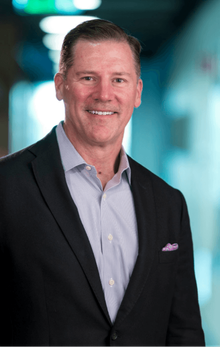
Ron Lewis, CEO of Ball says: "Benepack's plants in Belgium and Hungary are well positioned to serve a growing base of beverage customers across Europe."
"This investment further optimises our European manufacturing network, supports long-term volume and growth with key customers and reinforces aluminium beverage cans as a sustainable, scalable packaging choice," Ron adds.
In India, Ball is expanding investments in its Sri City plant to support India's beverage can market, which could strengthen supply chain resilience in the Asia-Pacific region.
Sustainability, procurement and supply chain leaders won’t want to miss Procurement & Supply Chain LIVE, taking place at Navy Pier, Chicago, on April 21–22.
Co-located with Sustainability LIVE: The US Summit, the event unites senior decision-makers at a time when supply chains, sustainability and business performance are more interdependent than ever.
Secure your place now for The US Summit – group booking discounts available.
Renewable energy in production
In 2025, 84% of Ball's global electricity usage came from renewable sources, which could help downstream supply chain partners meet their own sustainability targets.
Ball has reported a 50% reduction from its 2017 baseline in Scope 1 (during production emissions) and Scope 2 emissions (off-site emissions). Ball expects to achieve its 2030 target of a 55% reduction in total emissions and estimates it will do this ahead of schedule.
Across multiple manufacturing sites, Ball improved electricity intensity in 2025 by upgrading compressed air and vacuum systems in its processes. The Ball plant in Fosie, Sweden contributed to electricity savings by upgrading the plant's vacuum pumps which reduced electricity consumption by 1,032,000 kWh annually.
Ball is exploring additional renewable energy solutions globally, including off-site and behind-the-meter projects, battery energy storage and microgrid solutions for its manufacturing sites, which could further reduce the carbon footprint of products moving through beverage supply chains.
Recycled content and circular supply chains
According to McKinsey, major customers in the packaging industry are setting high recycled-content targets for materials, including aluminium. McKinsey argues that recycling aluminium, especially from postconsumer scrap, could be a more efficient and faster gateway to achieving net-zero emissions.
In 2025, 74% of the aluminium used by Ball's global beverage packaging business came from recycled sources. Ball has a 2030 target of 85% recycled content and is working with aluminium suppliers to incorporate sustainability commitments into contracts to try and achieve this goal.
This focus on recycled content could create opportunities for supply chain partners to participate in more circular material flows, potentially reducing procurement costs and environmental impact simultaneously.
Ron adds: "2025 was a record-breaking year with our global team delivering exceptional results."
"Staying close to our customers is more important than ever and that proximity is helping us innovate, grow and deliver value faster. We continue to scale and standardise our operations to fully leverage our manufacturing expertise and expanding footprint, serving our customers when and where they need us most," Ron adds.
"Our belief in aluminium is bolstered by its superior sustainability, quality and efficiency. Looking ahead, we have a clear strategy in place and a team dedicated to delivering value for our shareholders and making a difference for our company, our customers and our communities."
Company portals

Executives
Ron Lewis
Chief Executive Officer