Aggreko: Supply Chains Key for UK Data Centre AI Growth
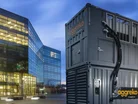
Conversations about AI tend to focus on algorithms, graphics processing units (GPUs) or software, but the limiting factor right now is not technical.
The greatest bottleneck sits in the supply of power and this puts supply chains for energy equipment, fuels and services at the centre of the story.
Data centres, which form the physical base of the digital economy, are under strain not just for compute and storage, but for reliable electricity that can scale with AI workloads.

Power delays
AI workloads are different from standard enterprise applications.
Training and inference for advanced models consume electricity far beyond the levels required by traditional IT. Facilities that run AI can demand several times more power per rack than conventional centres. This means grid delays in the UK and across Europe are not just frustrating but a defining obstacle.
Major operators warn that billions of dollars in AI and digital infrastructure investment could be lost if the issue is not addressed. Digital Realty, the world’s largest data centre developer, calls for systemic reform of the UK grid and planning processes.
Aggreko, which provides decentralised power solutions, echoes the warning in its whitepaper Bridging the Energy Gap for European Data Centres.
Billy Durie, Global Sector Head for Data Centres at Aggreko, explains: “Our conversations with data centre owners and operators show Digital Realty’s concerns are echoed throughout the sector.
"As with a great many other places, AI is set to have a transformative impact on the data centre industry. But if it is to do so, reliable power sources are key.”
Supply chains now come into play. When operators cannot connect to the grid quickly enough, they turn to interim solutions.
Yet even temporary systems are subject to procurement pressures, component availability and project deadlines that stretch supply logistics.
Decentralised energy as a supply chain strategy
Aggreko argues that decentralised energy is more than a stopgap. Instead of relying only on national grid access, operators can deploy on-site or modular generation that offers both resilience and flexibility.
For supply chains, this creates a need for rapid movement of generators, fuels, monitoring equipment and technicians.
Current technologies in use include:
Stage V HVO-fuelled generators: Running on hydrotreated vegetable oil (HVO), a cleaner fuel that reduces emissions while maintaining reliability.
SCADA-based monitoring systems: Supervisory Control and Data Acquisition (SCADA) systems that give operators oversight of distributed generation and integrate directly into centre infrastructure.
Temporary bridging systems: Equipment deployed during construction and commissioning so projects stay on schedule while waiting for grid approval.
Aggreko frames these as part of a broader modular approach, much like hybrid cloud in computing. For supply chain managers, this means viewing energy not as a fixed input but as a technology capability, procured and deployed dynamically.
The urgency comes from AI itself. Demand is rising faster than grid modernisation can deliver.
Billy states: “The lengthening queues for grid connections provide proof that these sources cannot be guaranteed via the grid.”
In other words, supply chains for decentralised power must absorb the short- to medium-term load while national reforms take years to complete.
Procurement, hiring and the supply challenge
One of Aggreko’s strongest points is procurement.
Permanent decentralised energy equipment in Tier 1 and Tier 2 markets is hard to source. Supply chains face historical bottlenecks, from manufacturing lead times to transport and installation.
To avoid projects missing deadlines, Aggreko encourages operators to look at temporary equipment hire.
Billy is clear on the stakes: “Data centre construction and commissioning must continue as unhindered as possible if facilities are to be brought online within strict project timescales. However, grid connection delays and a scarcity of decentralised energy solutions available for outright purchase means deadlines may be missed.
“Yet power is power, whether it comes from the grid or a hired generator. It is therefore vital project stakeholders and facility operators investigate different strategies for procuring necessary energy supplies.
"Leveraging third-party expertise within the supply chains can help these organisations access the expertise and capacity to swiftly deploy energy-efficient and scalable technologies on a hire basis, so they can meet specific site needs.”
This message highlights the central role of supply chains in the AI era. Whether through permanent infrastructure, temporary bridging systems or hired equipment, the ability to deliver energy on time will determine how quickly AI-ready data centres go live.
Planning reform may shape the long term, but right now the focus is on procurement, vendor partnerships and resilient supply logistics.
As Aggreko frames it, decentralised energy is not just an operational fix but a strategic capability. For UK data centres competing in a global AI race, the supply of generators, fuels and expertise may be as decisive as any breakthrough in algorithms or chips.