
Sustainable Intermodal Growth at DHL Express Malaysia
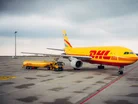
Modern supply chains are becoming increasingly complex, shaped by distance, demand and decarbonisation. At the centre of this shift is intermodal transport, a logistics model that uses more than one mode of transport but ensures the cargo stays in the same load unit throughout the journey.
It’s not a new concept, of course. Goods have always changed hands and vehicles, from carts to ships to wagons, but intermodal transport gained its full meaning in the 1960s with the standardisation of ISO containers. These made it possible to move cargo efficiently across long distances without unpacking or repacking between transport stages.
The aim today is clear: to create faster, more efficient and cleaner logistics solutions that cut emissions while keeping goods moving. DHL, under Julian Neo’s leadership in Malaysia and Brunei, is focusing on expanding infrastructure and operational capabilities to support this approach.
In pursuit of sustainability
Each mode of transport has its pros and cons. Road is fast and flexible but produces higher emissions; rail is more sustainable but relies on available infrastructure; ships move large volumes but are slow; and air is the fastest and cleanest at point of delivery but emits more CO2 per shipment.
Intermodal logistics attempts to get the best of each mode by combining rail or sea for the main leg, with shorter road journeys where required. This is particularly important in the context of Scope 3 emissions, which businesses are now under increasing pressure to reduce.
Through the GoGreen Plus programme, DHL allows customers to cut the carbon emissions linked to their shipments by investing in sustainable aviation fuel (SAF).
“The main obstacle to the adoption of SAF is high costs, as production capacity remains limited,” explains Julian. “In 2022, we announced one of the largest SAF deals to date—a collaboration with bp and Neste to purchase further SAF through 2026.
“According to a Bloomberg article, DHL Group leads the world in SAF adoption, getting more than 3% of the aviation fuel in our own fleet of aircraft from sustainable aviation fuels in 2023. To achieve this, the company purchased more lower-emission jet fuel than all US airlines combined. Around 15% of the global supply of SAF in 2023 was purchased by DHL.”
DHL uses a ‘book and claim’ method to separate the environmental benefit from the physical supply chain, meaning businesses can claim a verified reduction in emissions, even if they’re not shipping from a location where SAF is currently used.
If the main transport leg is powered by rail or sea – and if SAF is used in aviation segments where necessary – then businesses can reduce emissions even in long-distance or complex supply chains.
"Sustainability now occupies a higher place in the customer agenda than ever before,” adds Julian.
This shift is backed by policy as Malaysia’s government prepares to introduce a carbon tax by 2026, targeting sectors such as energy and steel. The move is set to push logistics providers to integrate cleaner transport options across all stages of the supply chain.
Solving barriers to wider adoption
Using different carriers across a journey introduces complexity in pricing, tracking and accountability. That’s where logistics providers like DHL step in, offering end-to-end services from a single source, ensuring full visibility and carbon reporting.
“For many of our customers, the largest contributor of their Scope 3 emissions is upstream and downstream transportation and distribution activities,” says Julian.
“Businesses rely on complex logistics networks as part of their operations. Freight, delivery and packaging form the three main elements of any ecommerce company’s footprint.”
Digital tools now support this, too. DHL’s Carbon Dashboard simulates different shipment options to show their environmental impact. Its GoGreen portfolio also includes real-time emissions tracking, individual carbon reports and optimisation services that help businesses choose the most efficient and sustainable path for their freight.
“GoGreen Plus allows customers to ‘inset’ their supply chains through investment in SAF,” continues Julian. “As a result, the buyer owns the environmental benefits without physically possessing the fuel. They will also receive an independently-verified certificate to certify their claim.”
Momentum is growing, with more than 90,000 customers in Asia-Pacific already signed up to GoGreen Plus in its first year. Some, like AFFIN Group, are targeting emission reductions of up to 70%.
Julian concludes: “By allowing for greater accessibility, we can help to build demand and accelerate production towards scaling up global supply where it is needed to effectively reduce the carbon footprint of the transportation sector and make progress towards climate change mitigation.”
For companies operating in or through Malaysia, DHL’s approach means they can access cleaner fuels and intermodal efficiencies even before local SAF production starts in 2028.
To read the full article in the magazine, click HERE.
Explore the latest edition of Supply Chain Digital Magazine and be part of the conversation at our global conference series, Procurement & Supply Chain LIVE.
Discover all our upcoming events and secure your tickets today.
Supply Chain Digital is a BizClik brand